

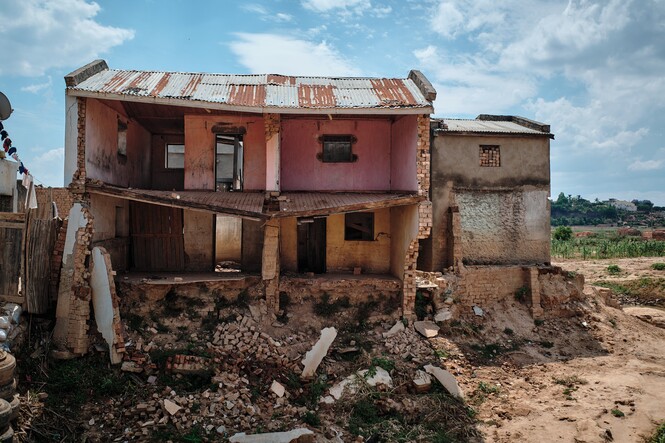
A new publication from the IFRC Disaster Law team, The Impact of a Global Treaty on the Protection of Persons in Disasters: Case studies from around the world, brings these challenges into sharp focus. Through a series of real-world case studies, it tells the story of how governments and communities have navigated complex disaster responses, and what happens when legal preparedness falls short.
Across diverse contexts, a common picture emerges. Authorities mobilize quickly, responders work around the clock, and international partners stand ready to assist. But behind the scenes, challenges such as delayed customs clearance, visa restrictions, and unclear coordination mechanisms can slow the arrival of life-saving support.
The case studies do more than highlight these challenges. They point to a solution.
A proposed global treaty on the Protection of Persons in the Event of Disasters (PPED), currently under discussion at the United Nations, offers a pathway to address these gaps. By establishing clearer rules and strengthening cooperation between states, the treaty could help ensure that international assistance is faster, more predictable, and better coordinated—ultimately reaching people when it matters most.
Each case study provides a grounded, practical perspective, illustrating both the strengths and limitations of existing systems. Together, they build a compelling case for why stronger international legal frameworks are not just a technical issue, but a humanitarian imperative.
The individual case studies that make up this publication are also available on the Disaster Law website, offering deeper insight into specific country experiences and lessons learned.
At its core, this work is about people. It is about ensuring that when disasters occur, systems are already in place to support a swift and effective response, one that protects dignity, reduces suffering, and saves lives.